
Toyapakeh – The Jewel of Nusa Penida
A Divers Guide to the Island’s Most Diverse Reef
Toyahpakeh Dive Site, Nusa Penida
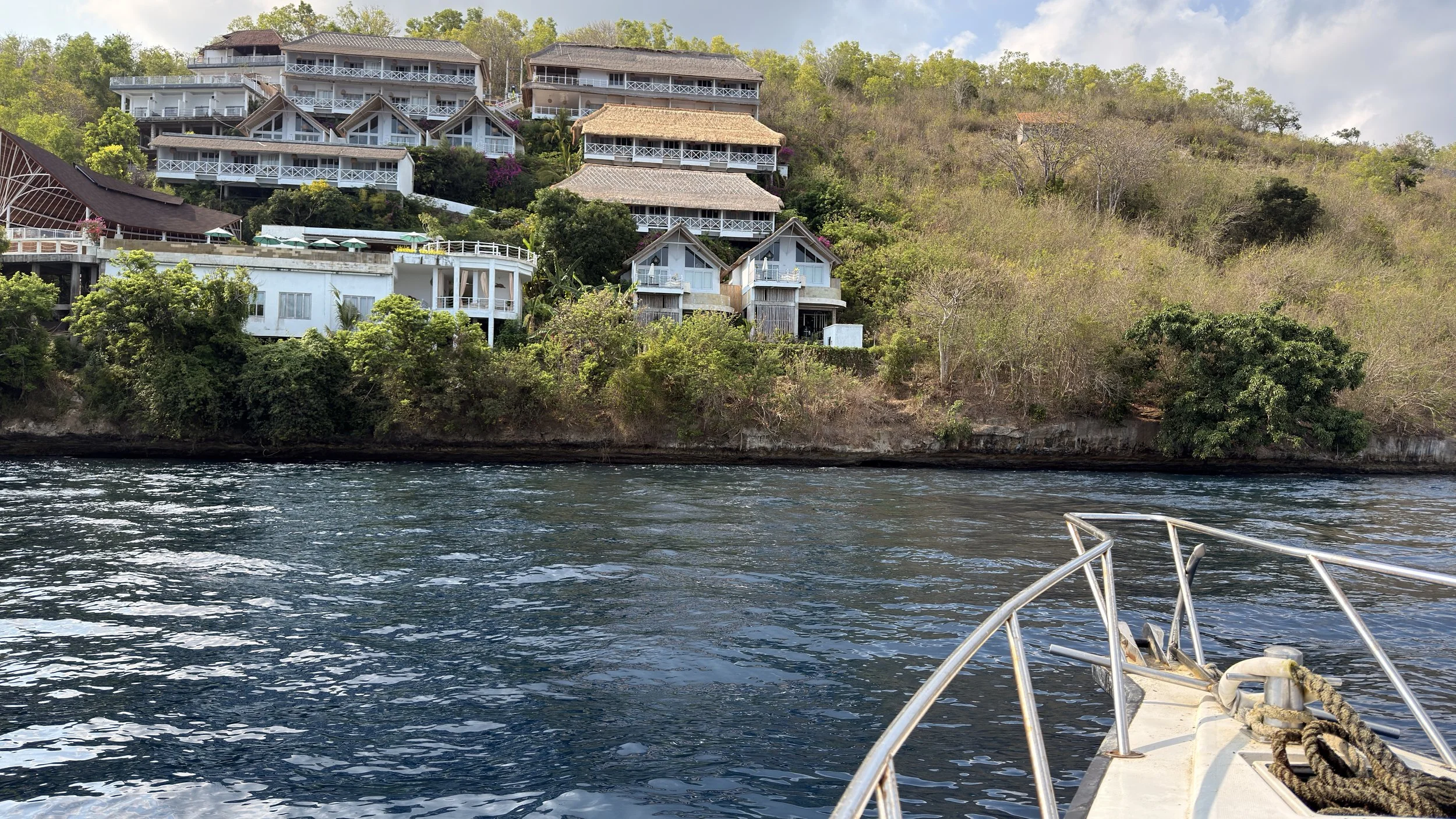
Toyapakeh sits on Nusa Penida's north-west coast, and it's one of the most diverse dive sites in the Nusa Penida and Lembongan area — a shallow coral plateau, sloping reef, and vertical wall in one dive, with visibility that regularly exceeds 25 metres. Currents here can be unpredictable, so it isn't always a guaranteed dive, but when it does, it's one of my personal top three dive sites in all of Bali.
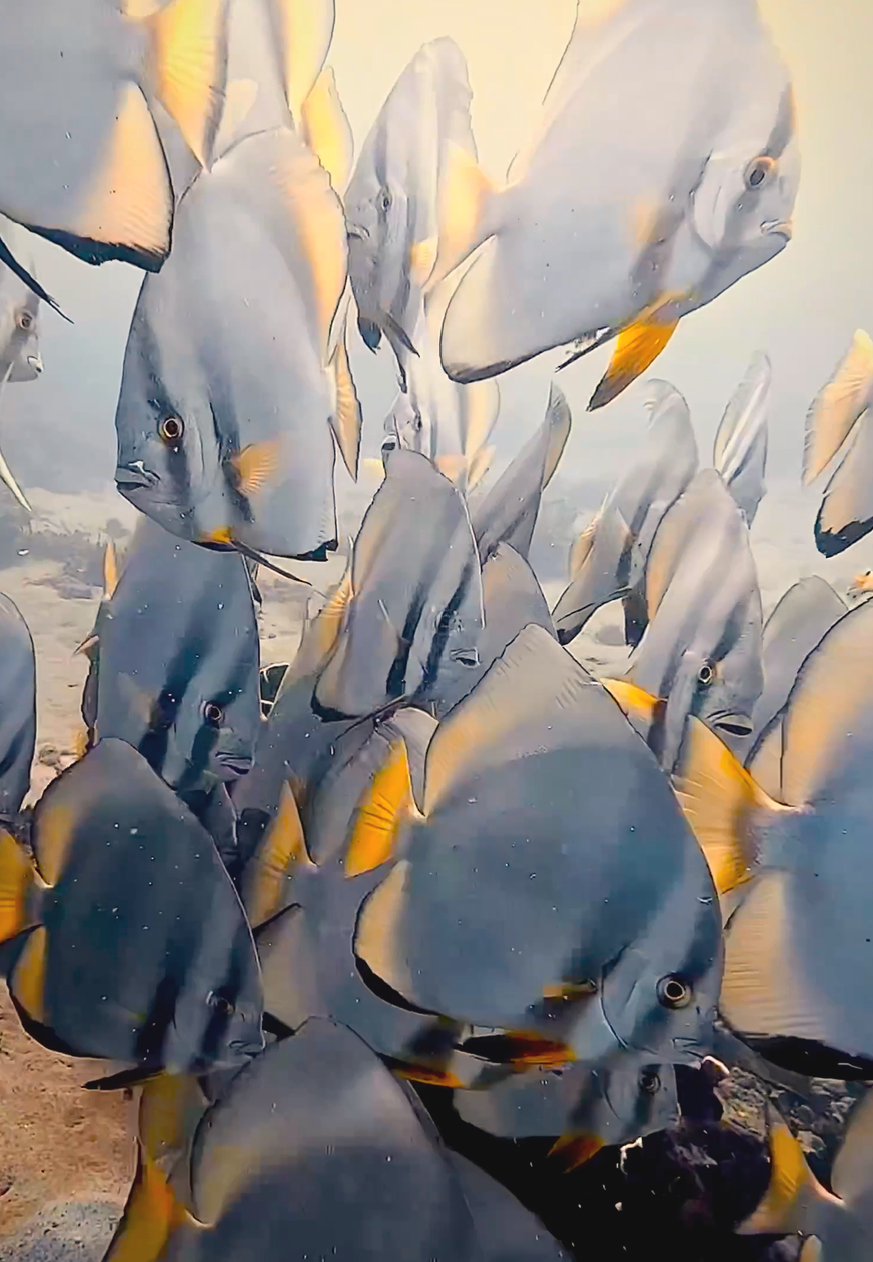
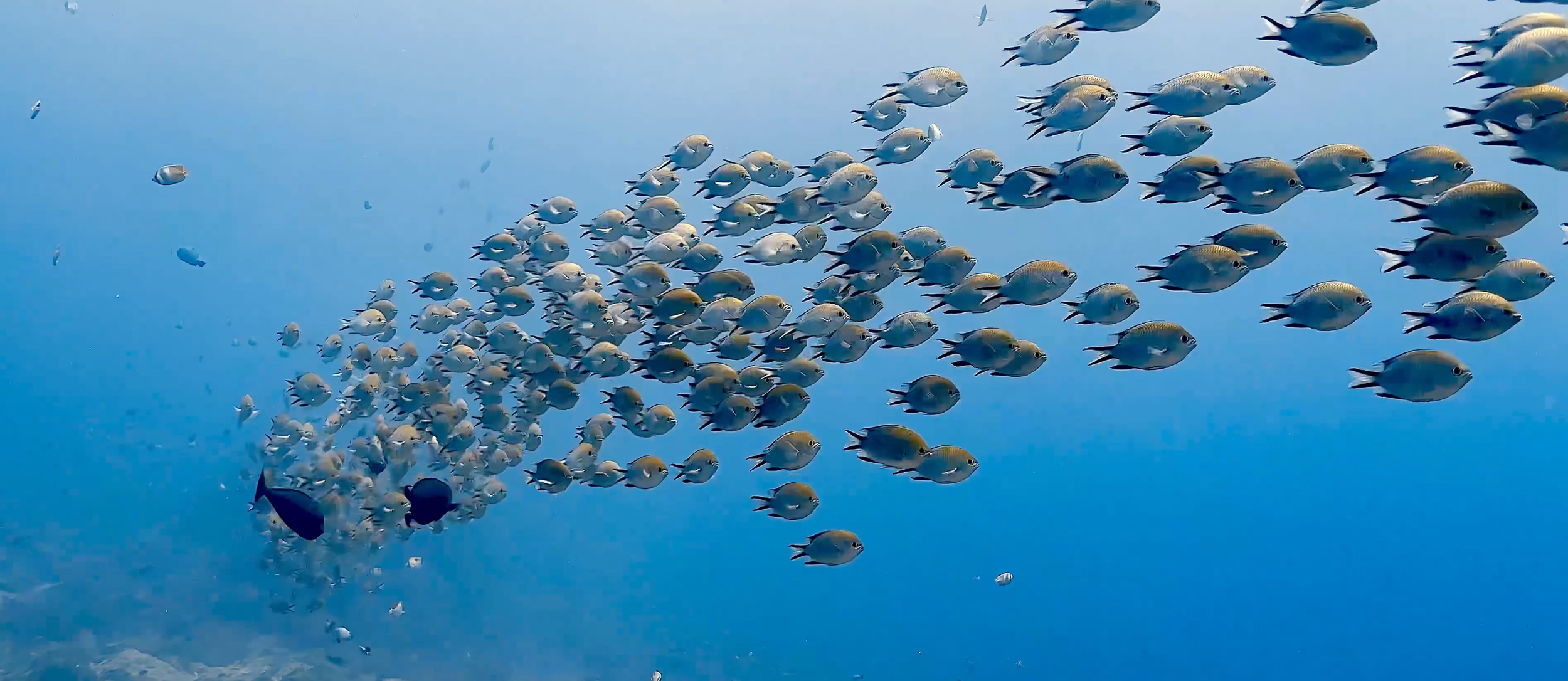
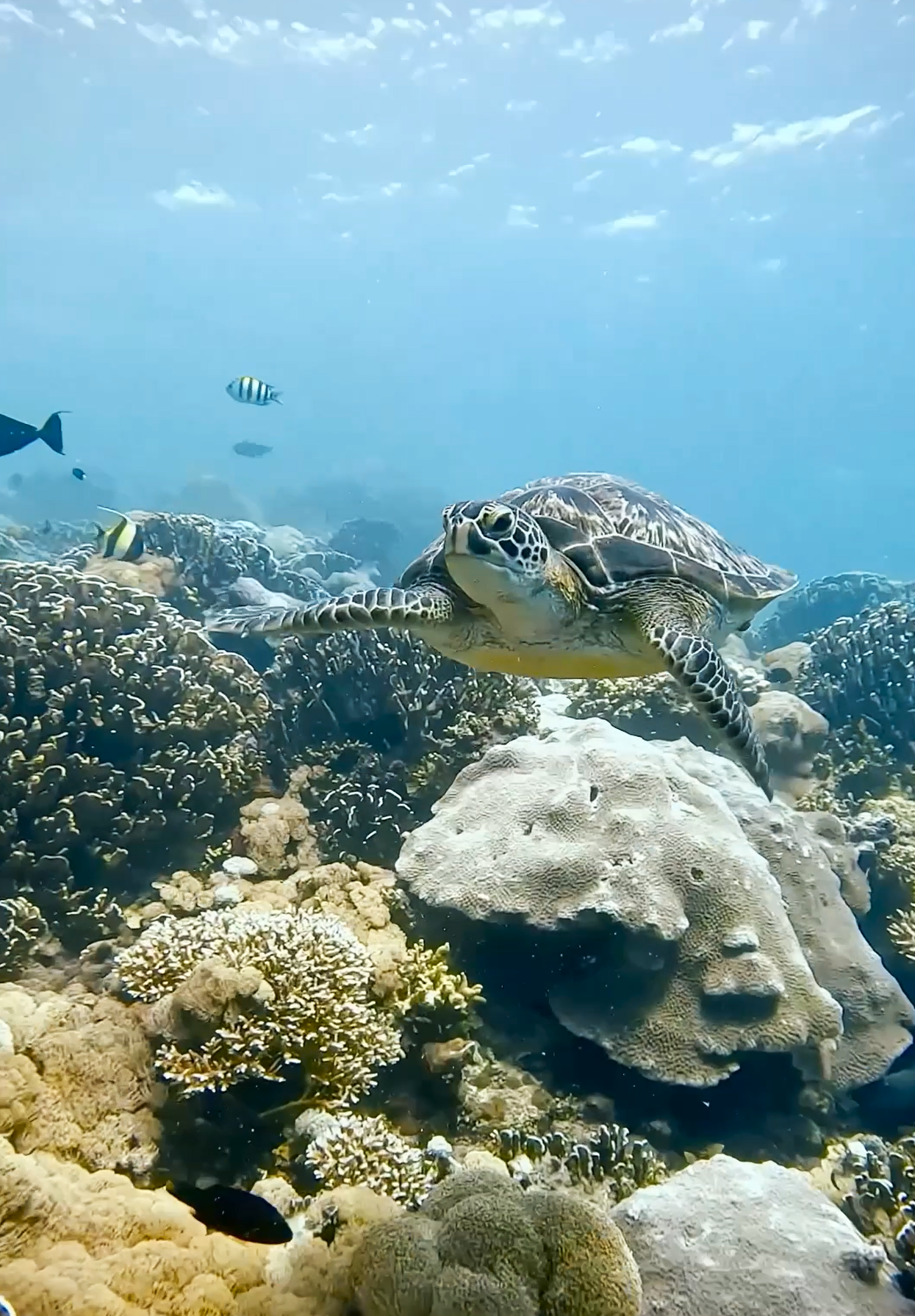
Toyapakeh is where Nusa Penida's currents breathe life into the reef. Its sometimes fast-moving, fish-filled, clear, nutrient-rich water sweeps across the site's steep wall and coral slopes. It's the most abundant and diverse of Penida's dive sites, revealing schooling fish, batfish, fusiliers, trevallies, turtles, and the occasional ocean sunfish (Mola mola) cruising through the blue. Toyapakeh is always alive with movement, and perfect for divers who love a mix of energy, colour, and wide-angle scenery – an unforgettable dive for anyone who loves a reef with personality.
Toya in Balinese means water, and pakeh can be interpreted as salted, or clear and pure, depending on context. The bay's exceptionally clear water is repeatedly cited as the reason for the name, especially in tourism and local descriptions — and given the visibility at Toyapakeh, that feels about right.
Historically a fishing village and home to a working harbour, Toyapakeh today is shaped by both tourism and maritime livelihoods. Many residents continue traditional sea-based occupations, including seaweed cultivation, which remains a cultural hallmark here. Toyapakeh is also one of Nusa Penida's main harbours, serving as a gateway for visitors arriving on the island.
Orbicular Batfish
Location & Accessibility
Toyapakeh has it’s own harbour serving as a hub for dive boats and ferries. There are, however, many different ways to reach the dive site itself. It's accessible as a one-day trip from Sanur, with a typical itinerary of three dives in the Nusa Penida area, or from one of the dive centres based on Nusa Penida or Nusa Lembongan, offering either two or three dives. I've tried all the options. My personal favourite is booking a ferry from Sanur and staying on one of the islands, combining diving (three dives, naturally) starting around 8am with an afternoon relaxing on one of the local beaches once you're back on land. It's a great way to spend two or more days.
If you opt for a day trip from one of the many Sanur-based dive centres, the crossing by dive boat takes around 45 minutes to reach Toyapakeh. Staying on the islands themselves drops that boat ride to around 10–15 minutes from dive centres based around Nusa Penida or Nusa Lembongan.
Dive Site Overview
Toyapakeh is often overlooked, thanks to the hype around sites competing in the diver-tourism popularity contest - Manta Point and Crystal Bay chief among them. It was a private guide who first introduced me to it. On one trip, whilst staying on the beautiful island of Nusa Lembongan, she asked me where I wanted to dive, and I simply said, "take me somewhere different." and I'm so glad she did. That first dive became two, on the same three-dive day trip, and it could easily have been three out of three, if Blue Corner hadn't already claimed the first slot of the day. Toyapakeh is the kind of year-round site you'll want to return to, and here's why.
For me, Toyapakeh is by far the most diverse dive site for topography, coral, and sheer fish volume in the Nusa Penida and Lembongan area. Combine that with typically excellent visibility exceeding 25 metres, and it sits firmly in my personal top three dive sites across Bali.
Toyapakeh's shallow coral plateau, sloping reef, vertical wall, and canyon-like formations create a multi-layered topography that appeals to every diver, evident from the moment the dive begins.
Schooling fish at Toyapakeh
Arriving at the site, the boat stays close to the natural rising cliff, packed with overhanging trees and shrubs. As your dive preparations finish up, you approach the entry point, usually beneath a well-known tree marker overhanging the cliff. Roll into the water and look down to catch a glimpse of the abundant life below. The vibrant colour of schooling fish and healthy coral filling your view, and starting the sensory overload early. With few exceptions, the stunning beauty of a site like Menjangan among them, this could be the closest you'll get to diving inside a brightly illuminated, over-saturated aquarium.
Green Turtle
The initial decision is where to explore first, since it all looks equally inviting. As a frequent diver here, my recommendation is to head to the wall first, then work back across the slope, decreasing your depth as the dive progresses. Unless something genuinely draws you deeper, either along the wall, or looking out into the blue while staying close to it, setting your depth around 20-22 metres for the first third of the dive is more than enough to cover all bases. Near the entry point, a crevice on the wall reliably attracts red bigeyes; look a little further in with your torch, and there's usually something resting inside too — a ray, a giant puffer, or a lobster.
You'll want this dive to last forever, so conserving air and managing your depth is key. Fortunately, this is a relaxing dive, and drifting gently is exactly the right pace. You'll be rewarded with plenty of chances to spot octopus, moray eels, scorpionfish, lionfish, and more. Continue along the slope, ascending to around 16 metres, where huge coral-encrusted rocks and boulders sit alongside large sandy patches, a combination that sums up this site perfectly. The rich, sloping reef here is packed with huge, rugged coral heads throughout.
Whilst you’ll be focused on the reef maybe tracking a Turtle cruising by, keep an eye on the mid-water too, for schooling bannerfish, trevallies, fusiliers, jacks, and sweetlips, and my personal favourite, batfish. My most memorable safety stop ever was hanging at 6 metres for three minutes in the company of a small school of batfish. Simply amazing.
Safety Considerations
With all these positives, you might be wondering where the catch is. There is one, or more ambiguously, there may be one, and it would be remiss of me to set a false expectation without pointing it out. Of all the dives I've planned at Toyapakeh, around a quarter of them simply couldn't go ahead, exclusively due to adverse current in the Ceningan Channel. For this reason, many dive centres avoid this ambiguity and leave it off the schedule entirely. Since my first dive here, I now specifically request it, insisting that we least check the current for suitability at the site before committing to the dive. When conditions aren't right, moving on to dive elsewhere first and checking back later in the day can often yield a better result.
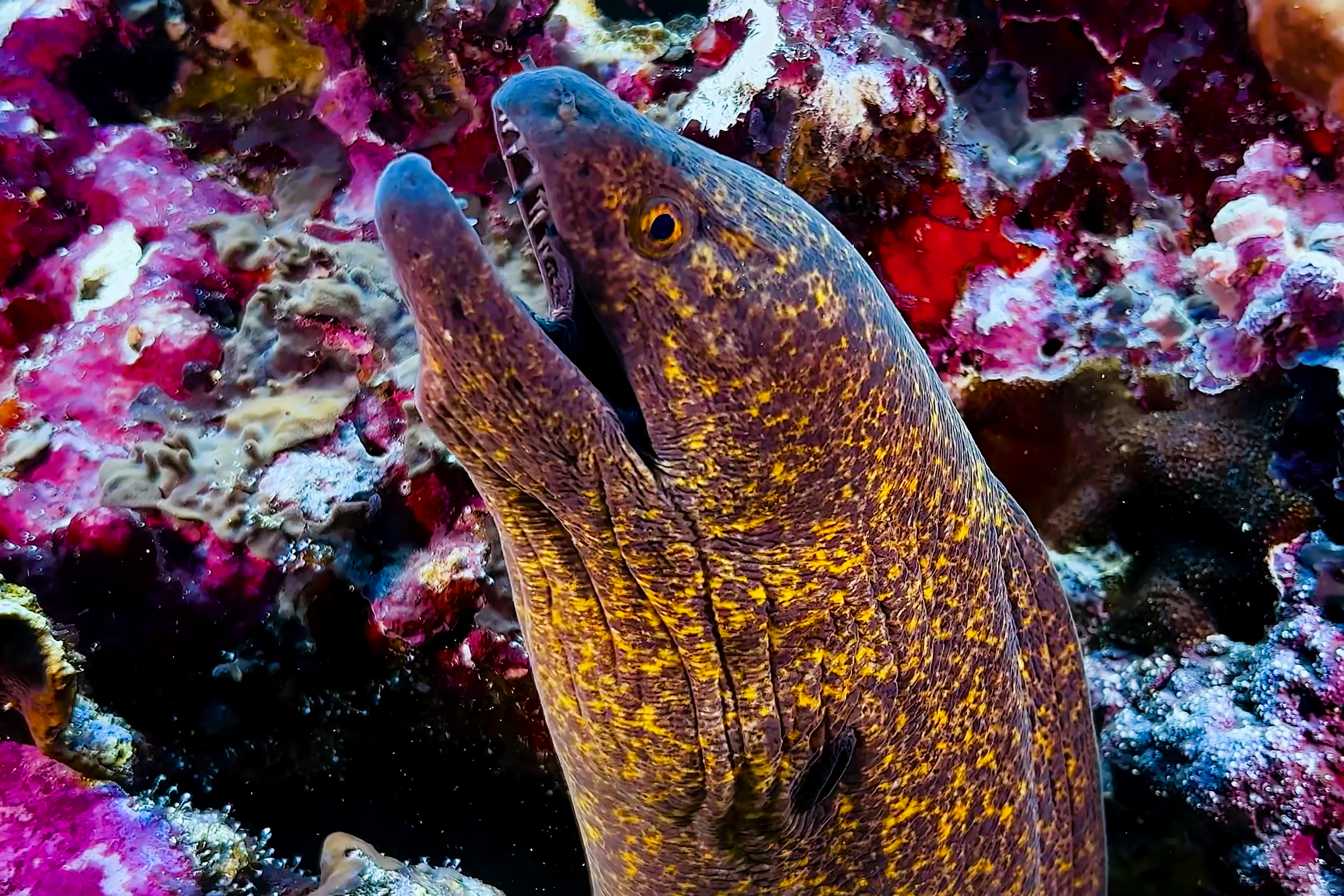
Yellow Edged Moray Eel
Reassuringly, when it is diveable, Toyapakeh's currents are usually mild to moderate. Stronger currents do occur and remain completely safe to dive under drift conditions. It's just important to know when to choose a different site instead, and there's plenty of choice in the area. Toyapakeh is best enjoyed with little or no current, especially if you want to take your time exploring every crack and crevice, but it's equally rewarding as a gentle drift dive.
With mild currents, Toyapakeh is suitable for all certification levels. Beyond that, I'd recommend a minimum of Advanced certification, plus real experience diving in currents. Always exercise good buoyancy to avoid contact with the reef.
Given the range of options nearby, pairing this dive with others across a two- or three-dive day is easy. My recommendation: a drift dive or two at Sental, SD Point, or — best of all — The Mangroves, at Nusa Lembongan's north-eastern point.
Frequently Asked Questions
What certification level do I need to dive Toyapakeh? With mild currents, Toyapakeh suits all certification levels. In stronger conditions, Advanced certification and real drift-diving experience are recommended.
How strong are the currents at Toyapakeh? Usually mild to moderate, though adverse current in the Ceningan Channel means around a quarter of planned dives here don't go ahead. Always check conditions at the site before committing.
How do I get to Toyapakeh? By dive boat, around 45 minutes from Sanur, or 10–15 minutes if you're staying on Nusa Penida or Nusa Lembongan itself.
What marine life will I see at Toyapakeh? Schooling batfish, fusiliers, trevallies, and jacks, along with turtles, octopus, moray eels, scorpionfish, and occasionally an ocean sunfish (Mola mola) passing through the blue.