
Diving the Wild Edge of Bali
A Diver’s Introduction to Candidasa
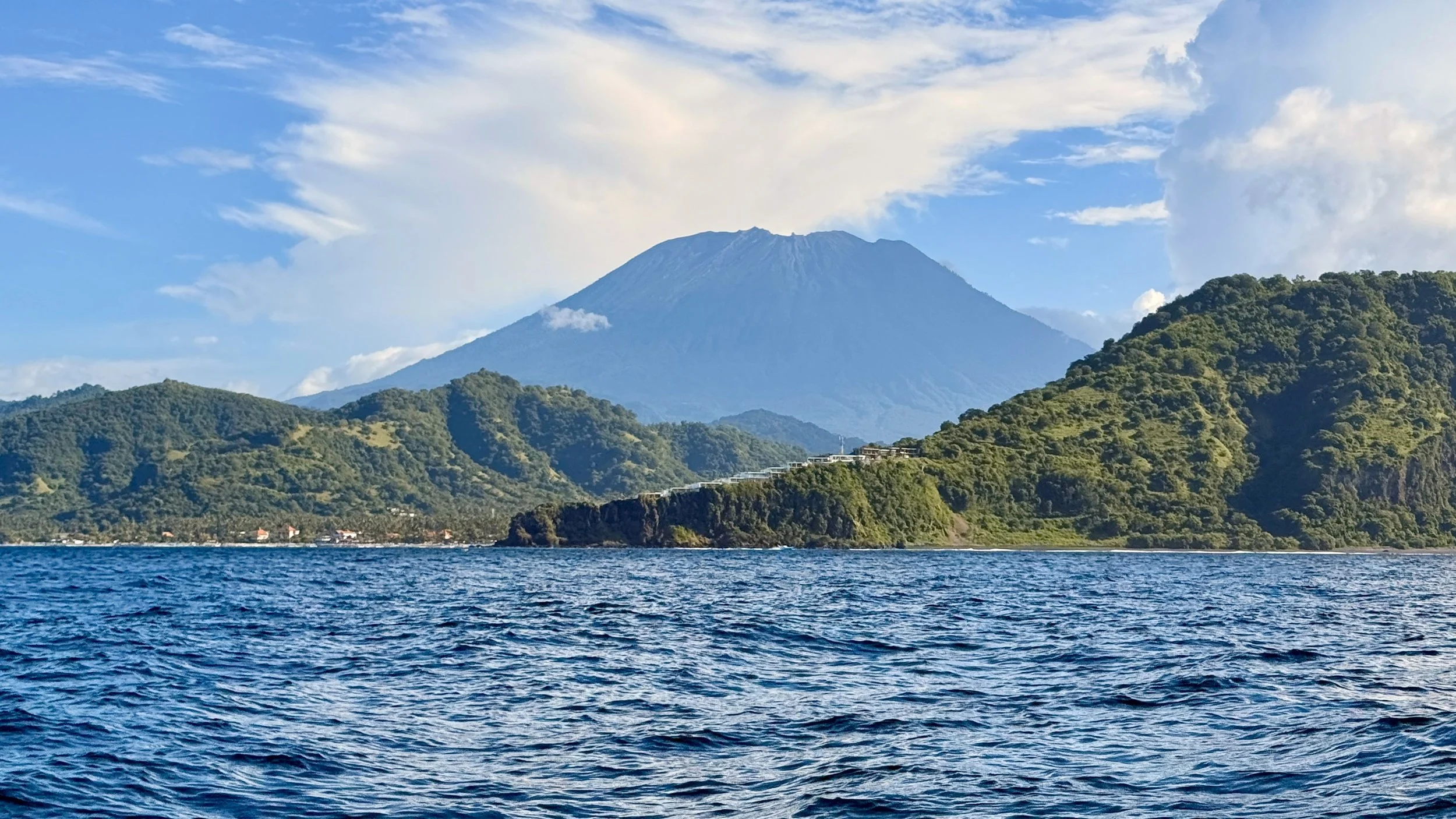
Candidasa is a small stretch of Bali's east coast hiding some of the island's most dramatic diving. Comprising four volcanic dive sites within a Marine Protected Area, and sometimes complex currents, this stretch of water is strictly for Advanced certified divers with proven hands-on experience with diving in currents. In this blog, I outline what makes it worthwhile, site by site, and what you need to know about its currents before you go.
Once a humble 12th-century fishing village, Candidasa has undergone a dramatic transformation. The rapid tourism boom of the 1970s and 80s led to short-sighted lime-mining of its offshore coral reefs. Stripped of their natural barrier, the beaches suffered severe wave erosion, leaving behind a rugged coastline marked by volcanic black sand pockets and man-made sea walls.
Today, though, Candidasa has beautifully adapted into a peaceful, eco-conscious sanctuary and gateway to some of Bali's most exhilarating underwater experiences.
The crowning jewels of this coast are three prominent, uninhabited volcanic islets rising steeply out of the Lombok Strait: Gili Tepekong, Gili Mimpang, and Gili Biaha, plus the legendary submerged pinnacle Taket, a hidden gem beneath the surface. Designated as an official Marine Protected Area, these sites offer some of the most dramatic diving in Indonesia.
Sitting directly in the path of the Indonesian Throughflow, this region faces variable and sometimes intense currents and upwellings. Strictly for experienced divers, it's these exact conditions that fuel Candidasa's immense beauty — pristine coral gardens and the pelagic life they draw right to its doorstep.
The Four Iconic Dive Sites
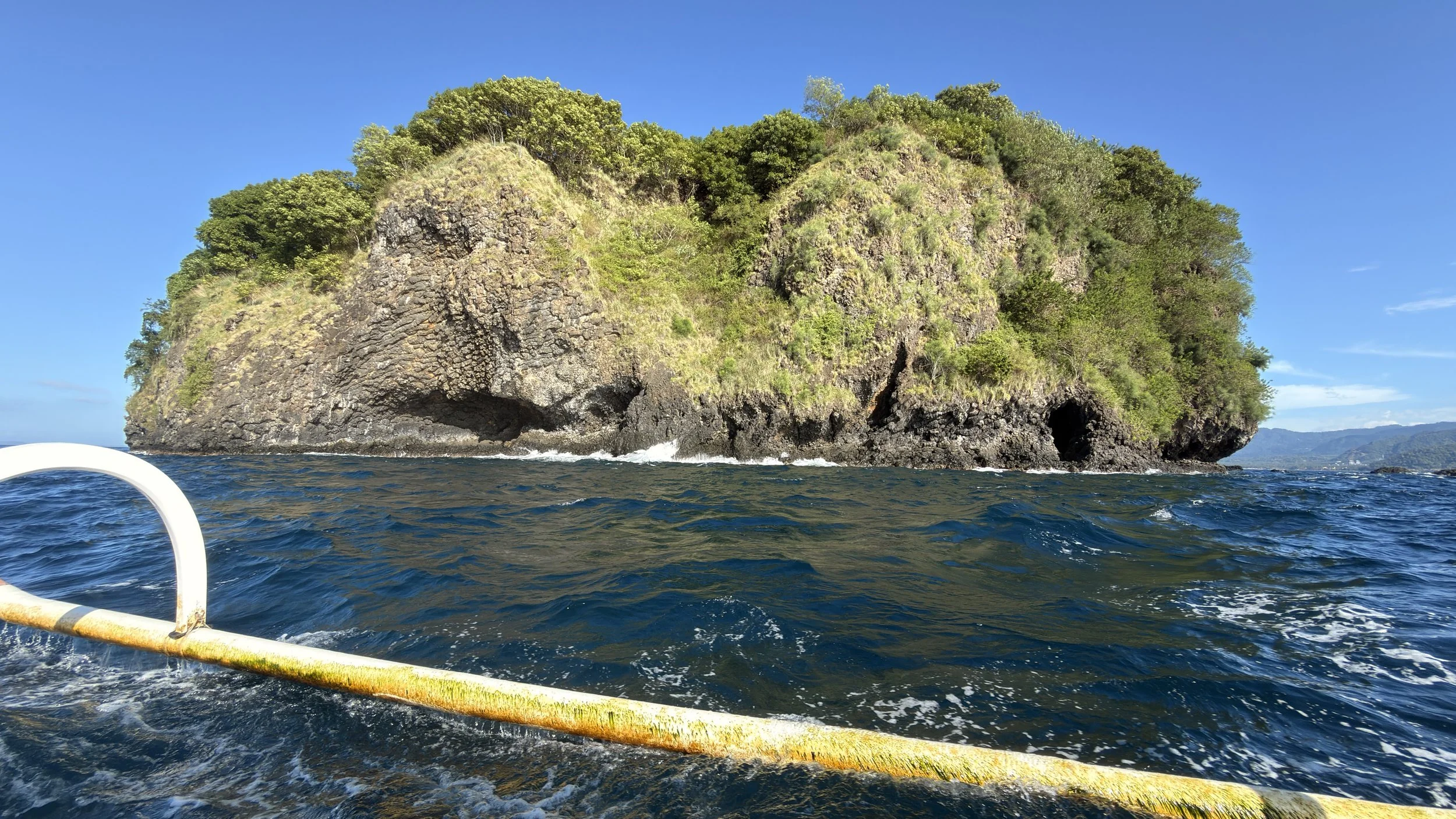
Gili Tepekong
1. Gili Tepekong: The Theatre of "The Canyon
As the largest of Candidasa's offshore islets, Gili Tepekong is a fortress of sheer volcanic stone rising above the water, decorated with hardy coastal plant life. Below the surface it transforms into a spectacular underwater theatre. The crowning feature here is The Canyon - a dramatic underwater topography of steep, plunging walls, jagged rock formations, and a thrilling, hollow swim-through tunnel. Dropping down past 25 metres, the scenery opens up to the deep blue. Swept by the rich upwellings of the Lombok Strait, Tepekong's craggy terrain acts as a regular patrol ground for schooling barracuda, resident whitetip reef sharks, and the occasional solitary ocean sunfish (Mola mola) hanging effortlessly in the current.
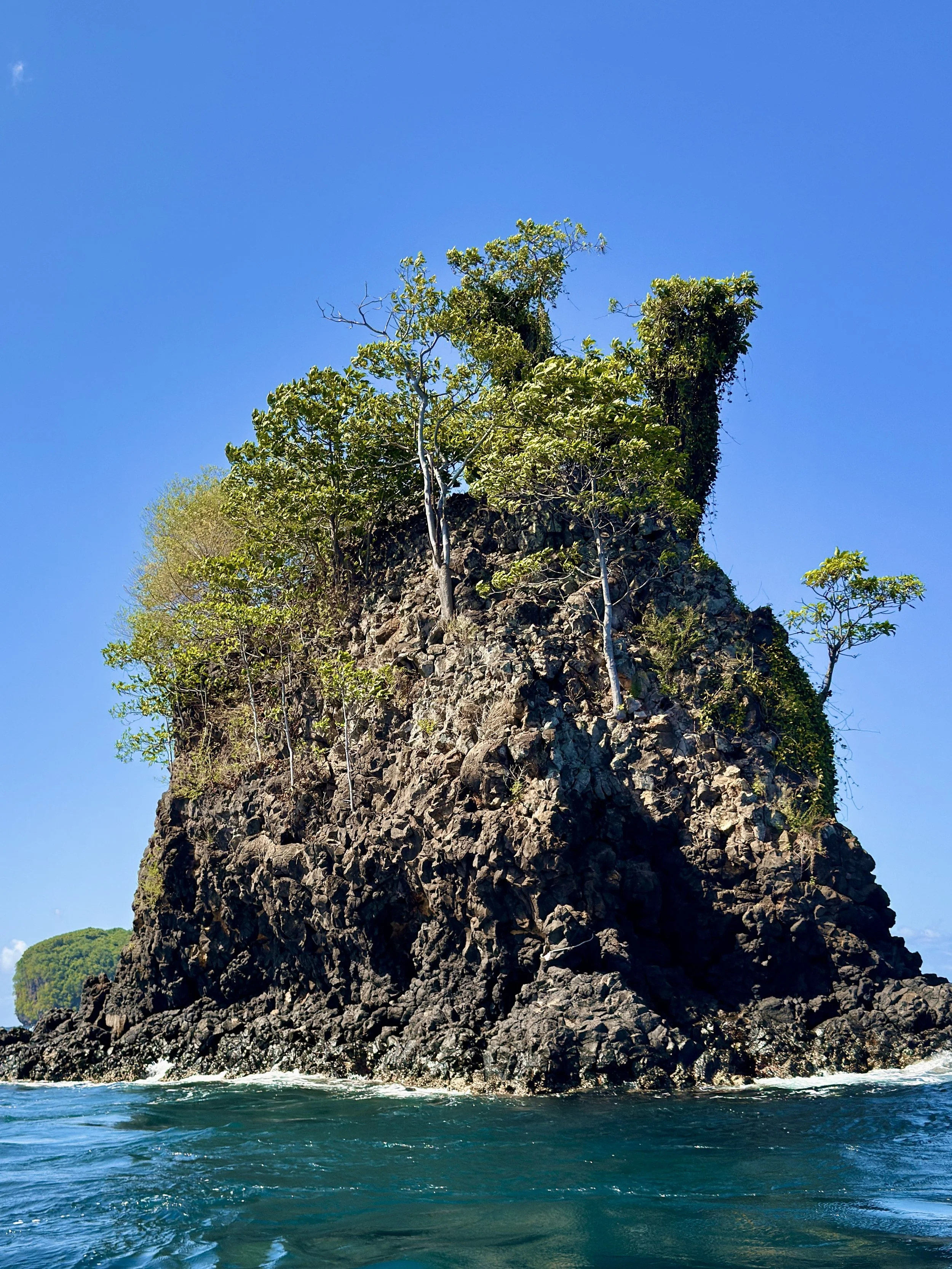
Gili Mimpang
2. Gili Mimpang: The Shark Playground
Commonly known by locals as Batu Tiga (Three Rocks), Gili Mimpang breaks the surface as three tooth-like craggy spires. Beneath the waves, these merge into a massive underwater ridge that slopes into steep walls and deep, current-swept trenches. Mimpang is legendary for its vibrant, healthy fields of massive gorgonian sea fans and a high concentration of marine life. The shallow reef flats are often busy with green turtles and swarms of colourful reef fish, while the deeper sandy bottoms and vertical drop-offs regularly serve as a playground for whitetip reef sharks cruising the current.
3. Taket: The Hidden Pinnacle
Unlike its neighbouring sisters, Taket refuses to reveal itself from the surface, remaining completely hidden as a submerged pinnacle. With no visible landmark above the water, finding it requires expert local boat captains – or precise GPS coordinates. The pinnacle rises steeply from the deep sea floor, cresting between 12 and 30 metres, and features its own hidden cavern structure cut into the rock. Because it stands alone, directly in the path of the open ocean, the currents here can sometimes be too strong for a safe, enjoyable dive, meaning we sometimes have to check back later in the day to confirm suitable diving conditions. When conditions are right, though, you're rewarded with pristine coral and pelagic life, including reef sharks, large rays, and barracuda.
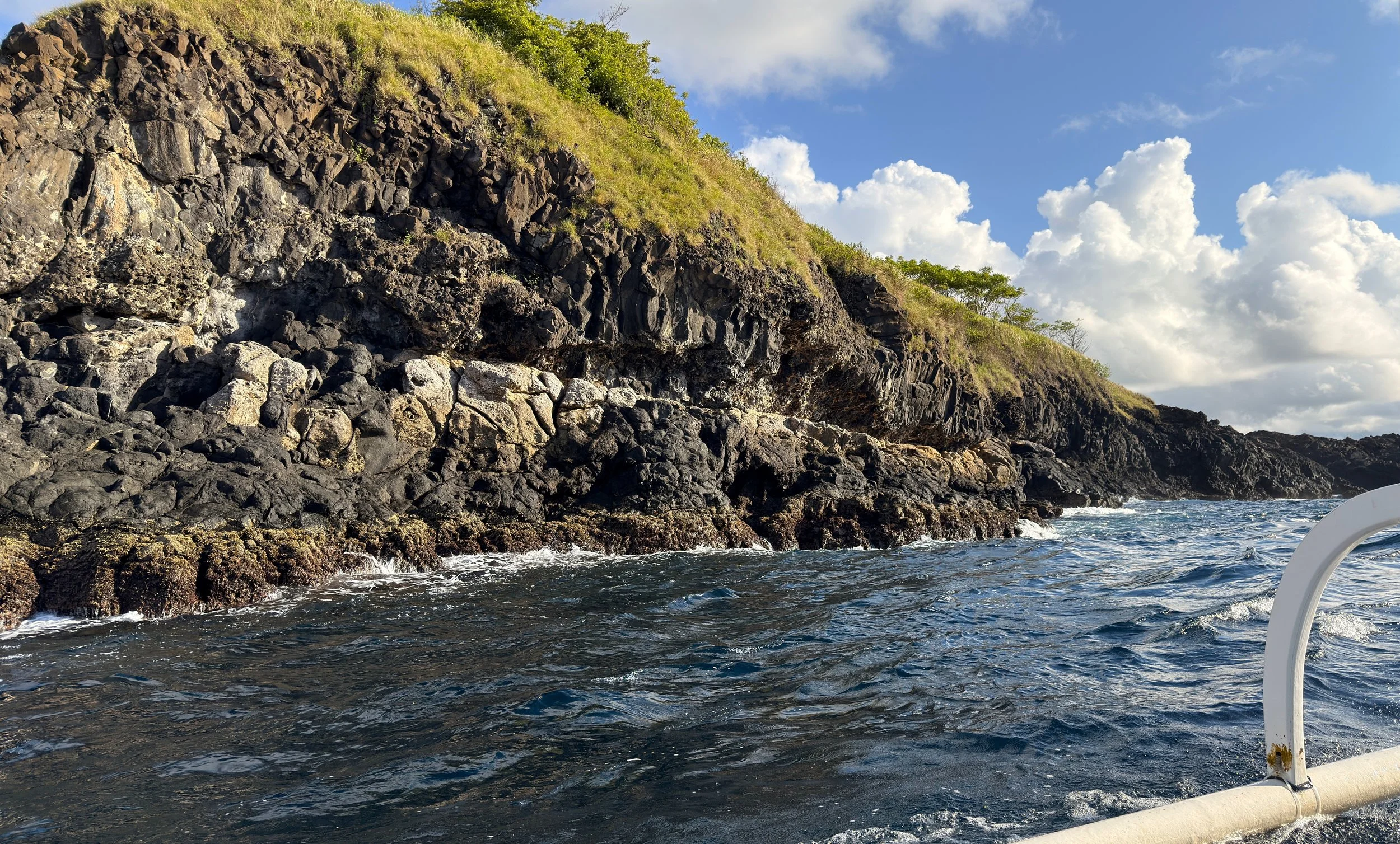
Gili Biaha
4. Gili Biaha: The Shark Cave and Crescent Wall
Situated further up the coast, and visited by far fewer dive centres than its neighbours, Gili Biaha is a rugged, crescent-shaped rocky outcrop carved aggressively by heavy surface swells. This shape mirrors itself underwater, forming a spectacular, sweeping reef wall. Biaha's defining feature is its underwater cavern, cut directly into the base of the island cliff at around 10 metres – home to Shark Cave, one of my favourite dives in Bali. Inside, whitetip reef sharks rest on the sandy floor in near-constant daylight, alongside lobsters and resting turtles. Outside the cavern, the wall plunges into the deep blue, offering pristine hard corals and excellent visibility. I've written a full, dedicated guide to diving Shark Cave.
Decoding the Currents: What to Expect
If you want to dive Candidasa, you have to respect its waters. This region is known for its complexity, and often quick-shifting currents that can transition from a gentle drift to a strong flow quickly — driven by local tides, seasons, and lunar cycles.
The Indonesian Throughflow. Candidasa sits right on the edge of the Lombok Strait, one of the primary choke points for the Indonesian Throughflow: a massive global current pushing a colossal volume of water from the Pacific Ocean down into the Indian Ocean.
The seasonal surge (June to October). While the Throughflow runs year-round, it intensifies significantly during the southeast monsoon. This pushes deep, cooler oceanic water up against the shallow reefs of the islets, creating dramatic thermoclines. Water temperature can drop several degrees within moments but brings with it the nutrient-rich upwellings that draw pelagic species into recreational diving depths.
The moon phase (spring vs. neap tides). The intensity of Candidasa's daily currents is heavily dictated by the moon. During the new moon and full moon, the alignment of sun and moon creates aggressive spring tides, pushing water through the channels with real force. The weeks around the half-moon (neap tides) bring much more manageable, moderate water movement.
The daily tide and topography. With two high and two low tides every 24 or so hours, currents here are mixed semi-diurnal. Down-currents inside Tepekong's Canyon, or the horizontal surges across Mimpang, typically peak as the tide transitions at its fastest.
With careful planning and close communication with your dive guide and boat captain, timing entries around slack water makes for a safe, spectacular dive. Sometimes that means switching the order of dives, or aborting a specific site altogether. On rare occasions, if conditions aren’t right, heading to a different location entirely is the right call.
Getting There & Diving Logistics
Candidasa is roughly a 90-minute drive from Sanur Harbour, and just a touch longer from Ngurah Rai International Airport. You can visit as a day trip, arranging your own transport or booking through dive centres in Sanur or Amed. But if you want to dive these sites over multiple days, staying directly in Candidasa or Padang Bai is the better choice.
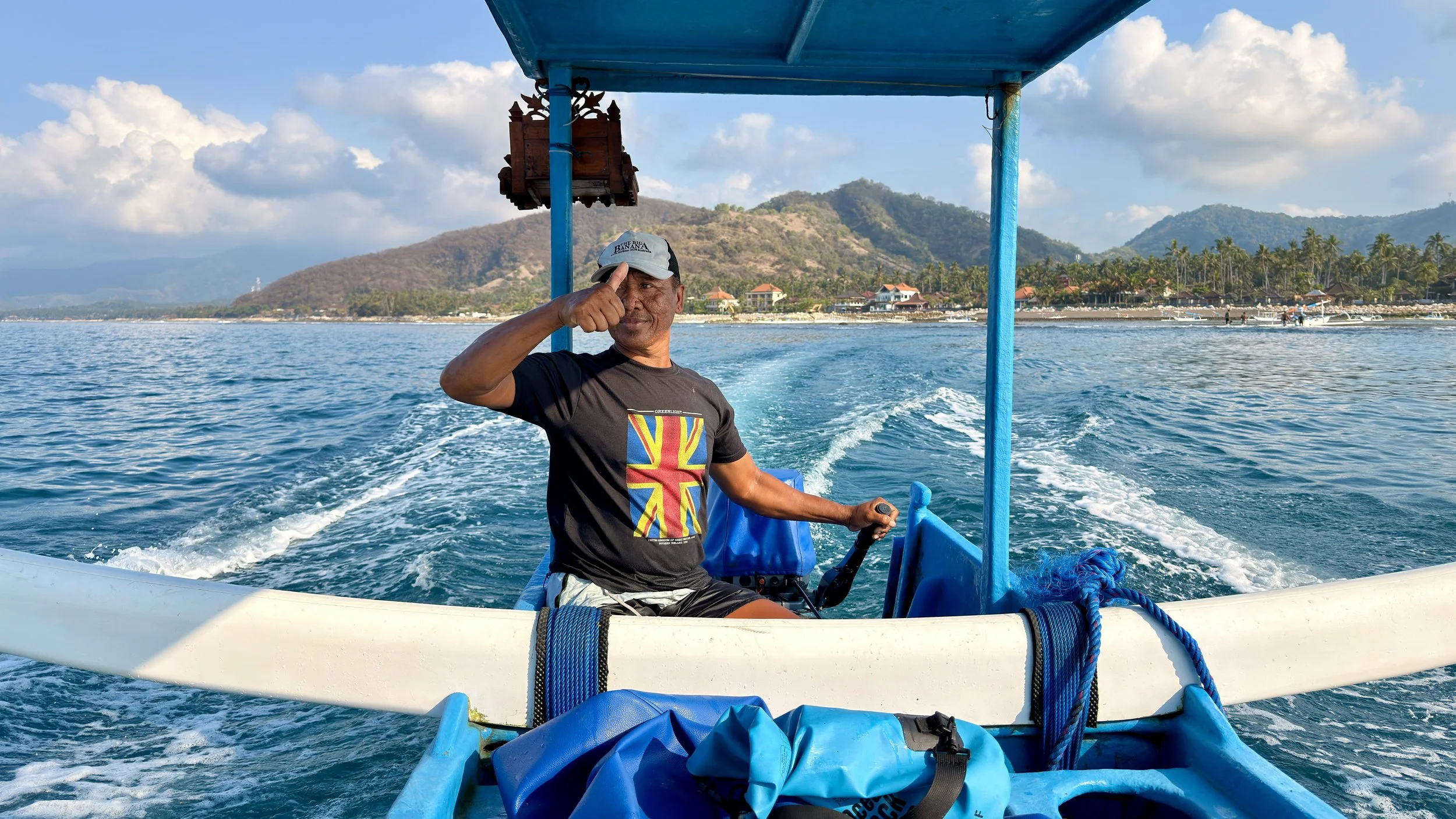
You'll reach the sites aboard a jukung – a traditional Balinese outrigger boat. Both the jukung and its owner will be bursting with local character and solid experience of these waters. The jukung ride takes about 30 minutes from Padang Bai Harbour, or less than 10 minutes if you launch straight from Candidasa Beach.
Insider tip: launching directly from Candidasa saves precious diving time and means operators typically offer three-dive itineraries, compared to the standard two dives offered by Padang Bai operators. In my opinion three is the perfect number of dives to properly appreciate this region's diversity.
Ready to Brave the Blue?
Diving Candidasa is for experienced divers who understand how to read conditions and respect strong currents – the rewards are unmatched. From the jagged, shark-filled cavern of Gili Biaha to the hidden, current-swept depths of Taket, this Marine Protected Area is a powerful reminder of nature's resilience: a place where Bali's volcanic history meets the raw, untamed energy of the open ocean.
If you're an experienced diver looking for a true underwater adventure away from the crowds — pack your gear, respect the currents, and get ready to experience one of the most thrilling marine frontiers Indonesia has to offer.